Algorithmic Futures Trading
Software, No Code Required
Build, backtest, and automate futures strategies across 30+ markets with 7,000+ signals, economic events, seasonality, and institutional-grade robustness testing. From idea to live algo in minutes.
How Algorithmic Futures Trading Works in 5 Steps
Select Futures Symbols & Timeframe
Choose a single futures contract or a basket. Build Alpha returns the best strategies for that symbol, or the best systems that work across the entire basket. Settings let you adjust margin, tick value, and point value for proper P&L calculation on any contract.

Choose Entry & Exit Signals
Build Alpha's library covers 7,000+ signals with fully customizable parameter ranges. The genetic algorithm optimizes lengths, thresholds, and values automatically:

Set Automated Filters
Tell Build Alpha which strategies are acceptable. Filter by profit factor, drawdown, number of trades, winning percentage, or advanced robustness testing criteria. Only see strategies you actually want.

Hit Simulate
Build Alpha's genetic algorithm learns from your inputs and historical futures data, then builds thousands of strategies. Results update continuously and can be paused or stopped at any time. Machine learning creates and improves strategies automatically.
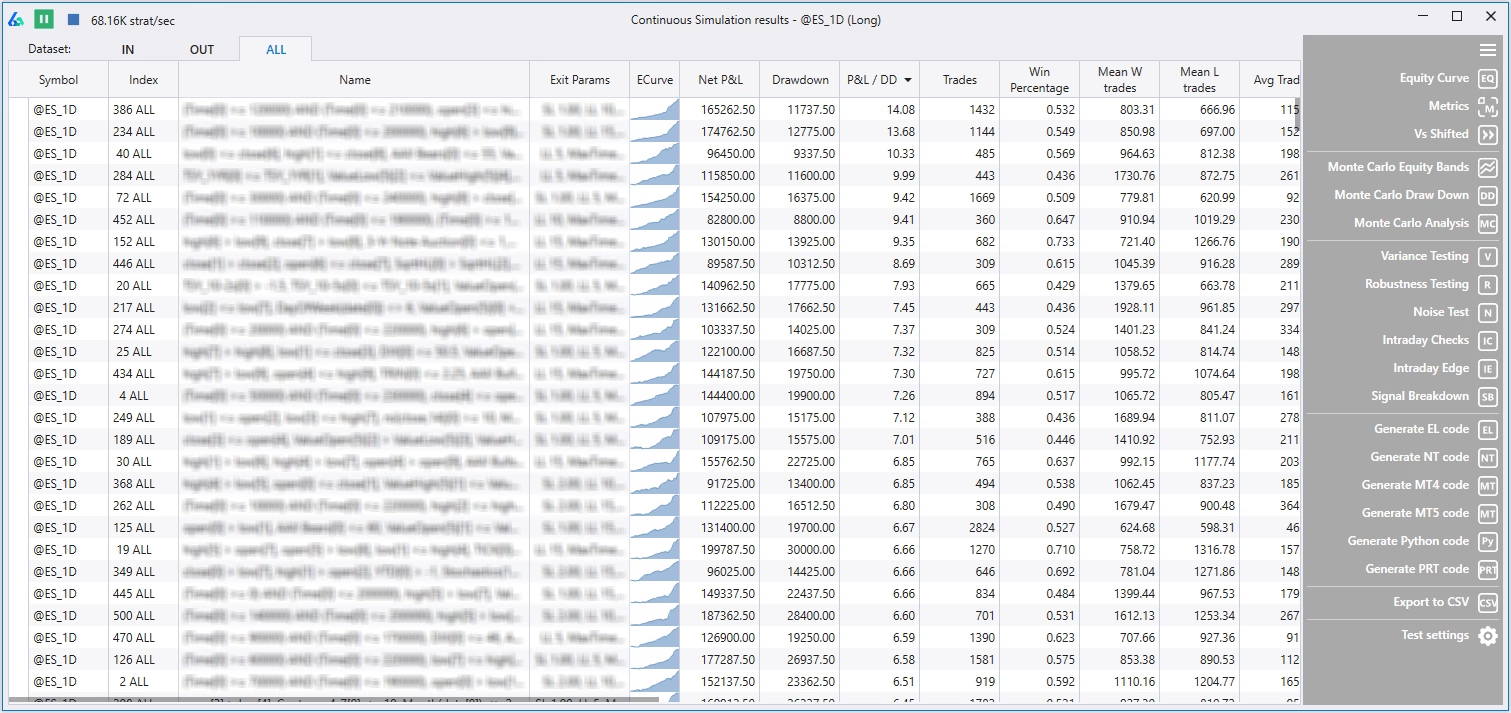
Validate & Deploy
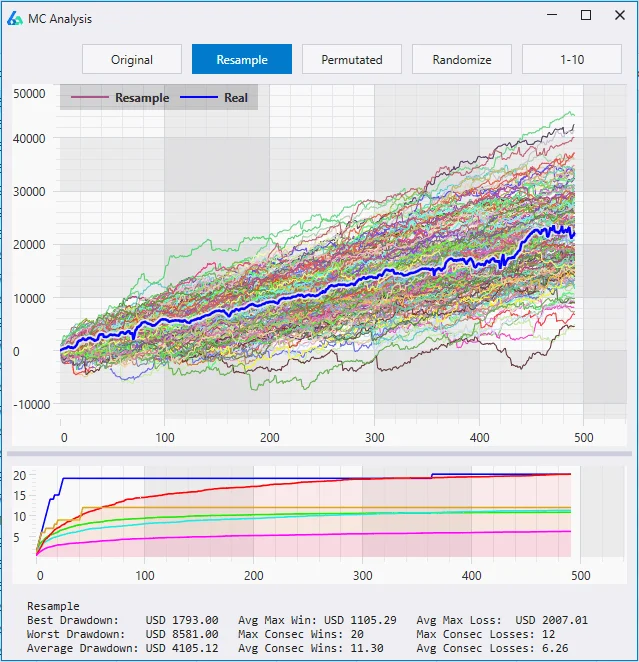
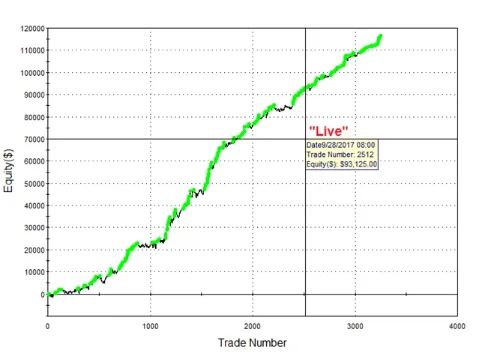
A great backtest is often not enough. True edge is understanding which strategies are statistically significant and present the best odds of continued live performance. Build Alpha's suite of robustness tests helps identify such strategies.
Futures-Specific Trading Features
Daily data back to contract inception. Intraday (1-min) back to 2006. Tick data, range bars, Kase bars, and volume bars importable via CSV/TXT.
Restrict trading to specific hours, seasonal windows, or calendar patterns. Analyze seasonal breakdowns and add rules to avoid unfavorable periods.
Build strategies around Nonfarm Payrolls, GDP, FOMC meetings. Test how strategies perform around specific news releases and time of day.
Rank a basket of futures, then apply your strategy to the top (or bottom) N markets until the next rebalance. Test ranking methods, frequencies, and assets.
Use saved strategies as inputs. Create ensemble or voting systems that only trade when 3+ strategies agree on direction.
Import futures spreads, custom bar types, or alternative data. No limitation, just follow the DOHLCV format with dummy values for missing columns.
Seasonality Breakdown

Economic Events & News Data

Robustness Testing Suite
A great backtest is not enough for futures trading success. Build Alpha is widely considered the best algorithmic trading software among professional traders due to its suite of stress tests:
Read the full Robustness Testing Guide and Monte Carlo Simulation Guide for detailed explanations and examples.
Code Generation & Platform Integrations
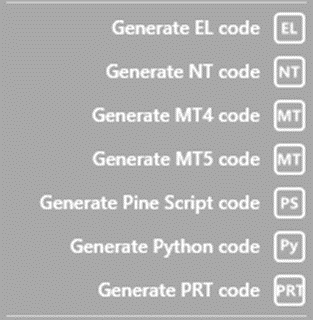
Generate fully automatable code for any futures strategy at the click of a button:
Build Alpha also connects to live data from TradeStation, Interactive Brokers, QuoteMedia, and Binance for real-time position updates, live P&L, and automated trade alerts across all asset classes.
Custom Signal Editor
Need a custom signal beyond the 7,000+ library? Build Alpha's no-code signal editor lets you combine indicators, comparisons, operators, and parameters visually. The example below divides the 2-period RSI by the 4-period RSI and only trades when this value exceeds 1.5:

For advanced users, add custom signals via Python scripts that integrate directly with the genetic algorithm.
Day Trading & Intraday Futures Features
System Requirements
Mac via Parallels or Build Alpha's latest update
More RAM + CPU cores = faster simulations
FAQ
Related Guides
David Bergstrom
A decade-plus in professional trading as a market maker and quantitative strategy developer at a high-frequency trading firm with a CME seat. Self-taught C++, C#, and Python programmer specializing in data science, machine learning, and trading strategy development.
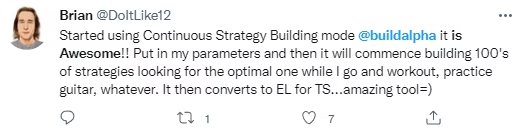
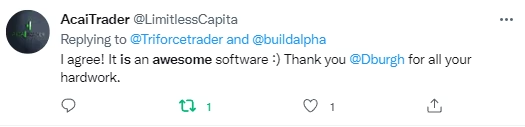
What Traders Say About Build Alpha










Start Building Futures Strategies Today
30+ markets. Economic events. Seasonality. Robustness testing. No coding required.